- Layer 2 systems move work away from Ethereum’s base layer.
- Rollups use Ethereum for important parts of verification or settlement.
- Security assumptions differ between networks.
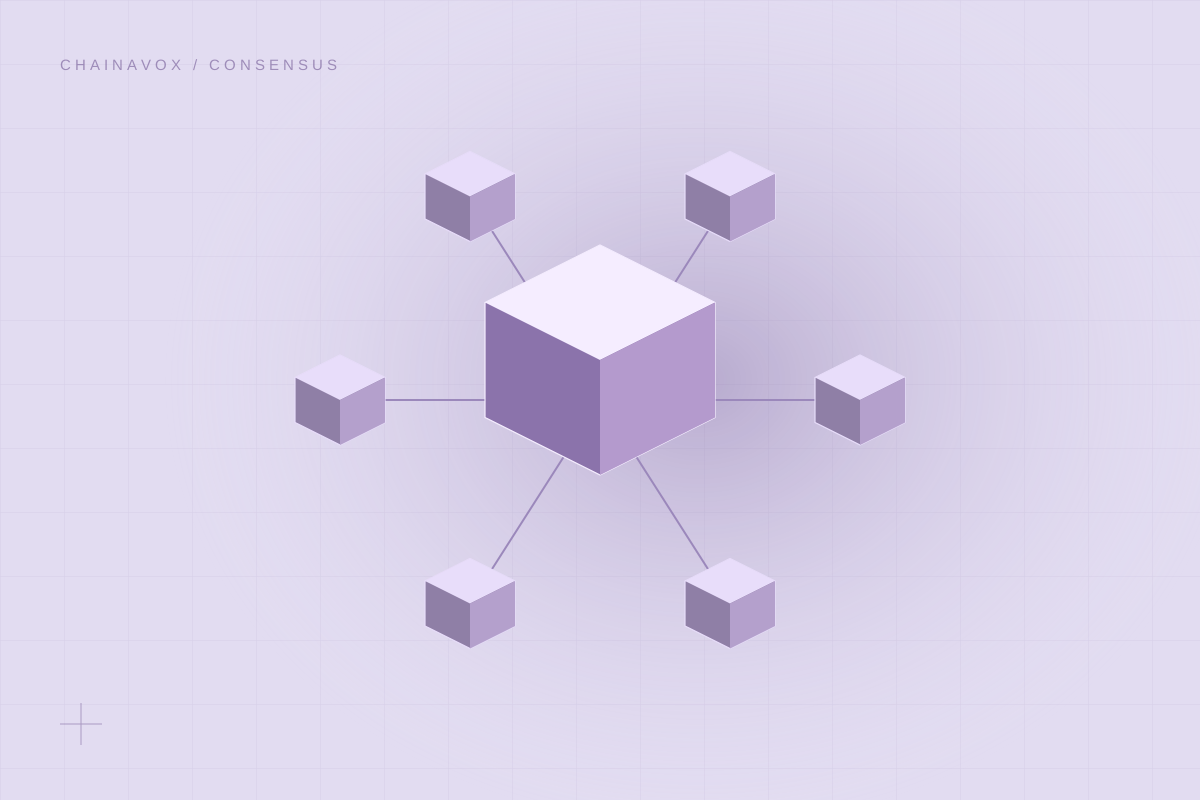
“Layer 2” describes a family of systems, not one additional blockchain owned by Ethereum. Their shared aim is to increase capacity while making use of the underlying network. [1]
Why add another layer?
As more applications compete for limited block space, doing every operation directly on a base layer becomes costly. Scaling approaches change where work happens or how it is represented. Ethereum's documentation distinguishes layer 2 systems from approaches such as independent sidechains; the relationship to the base layer is part of the definition. [1]
That makes the phrase a starting point, not a complete security assessment. A useful explanation must say what the additional system does and what Ethereum still checks.
Rollups in plain English
Rollups process activity outside the base layer and bring information about that activity back to Ethereum. Optimistic rollups use a challenge process to contest incorrect results. Their design includes a period during which a result can be challenged, which can affect withdrawals through the protocol's native route. [2]
A low transaction fee therefore describes one feature of the user experience. It does not explain withdrawal rules, operational dependencies or the consequences of an outage.
The questions behind the label
A project's design and maturity matter. Ethereum's overview explicitly notes that the safety of networks depends on their technology, smart contracts and development stage. [3]
When reading an announcement, separate three claims: the network can process more activity; it is cheaper under the conditions being described; and it has particular security properties. These claims need different evidence. They should not be treated as interchangeable.
The larger story is architectural. Scaling is about deciding which work belongs on which layer, and what must remain independently verifiable. Headlines focused only on fees miss that important trade-off.
Sources & further reading
Start with the original material. These sources support the explanations above.
Sources checked Oct 1, 2026.Prepared with AI assistance using the linked public sources. This article provides background information, not first-hand reporting. Report a correction.