- A blockchain is a way to keep and verify a shared record.
- Network rules matter more than the visual metaphor of a chain.
- A trustworthy record does not make every claim attached to it true.
A crypto headline often begins with a price. Understanding the technology starts somewhere else: how can computers that do not share a single operator agree on a record of events?
A record, not a magic database
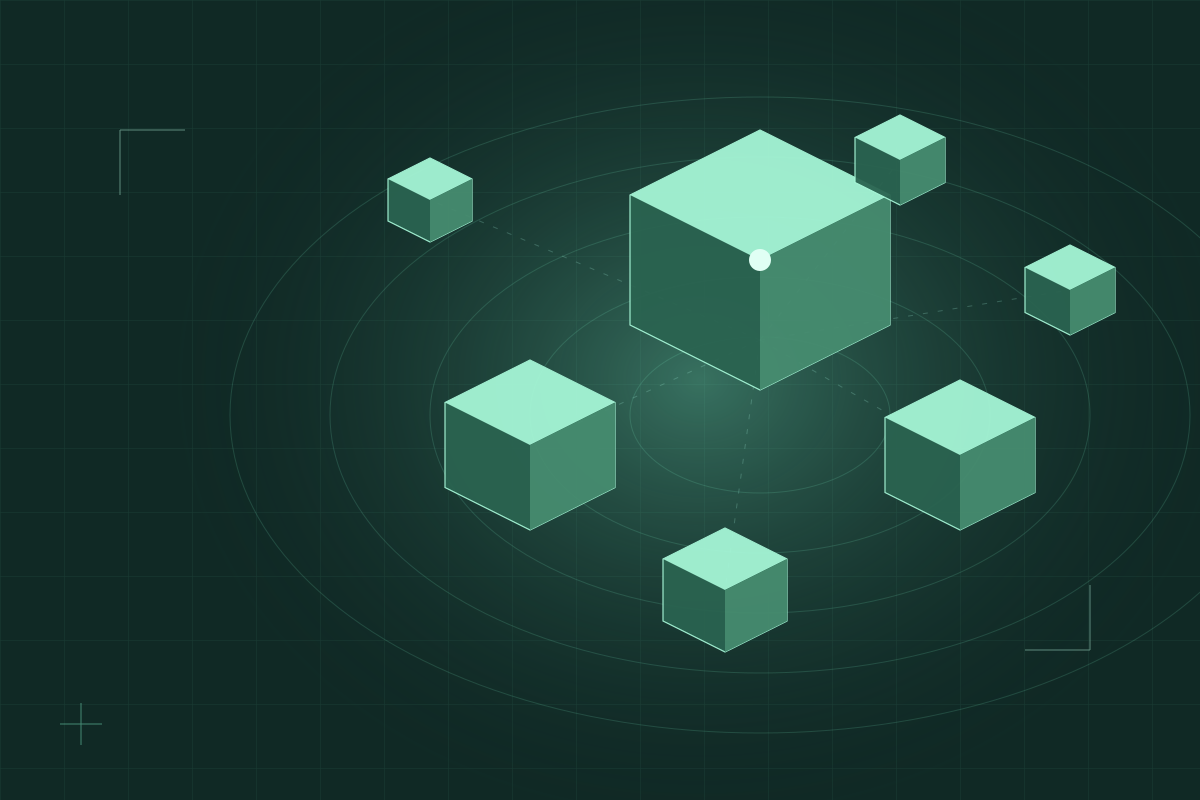
In Bitcoin, transactions are grouped into blocks. Each block refers to its predecessor through a cryptographic fingerprint called a hash. Changing an older record changes that fingerprint and breaks the references that follow it. Participating full nodes check blocks against the network's rules rather than accepting every message they receive. [1]
This is the useful distinction behind the familiar chain illustration. Linking records is one part of the design; deciding which records are valid is another. A database diagram alone does not explain how a network reaches agreement.
What the network is checking
Bitcoin's public ledger lets the network check whether coins can be spent and whether a transaction is authorized. A digital signature proves control of the relevant secret without publishing that secret. Mining helps put valid transactions into an agreed order. [2]
Think of those as separate questions: is this transaction allowed, and where does it belong in the shared history? Confusing the two makes words such as “verified” sound more sweeping than they really are.
What a blockchain cannot establish
An entry being recorded does not, by itself, establish that every real-world statement associated with it is accurate. A document can have a provable timestamp while still containing an error. A token can have an observable history without settling a dispute over what it represents.
For readers, the practical lesson is to separate the record from the claim. When a project describes something as “on-chain,” ask what information is actually recorded, who supplied it, and which assumptions remain outside the network. That is a more informative starting point than a price chart alone.
Sources & further reading
Start with the original material. These sources support the explanations above.
Sources checked Oct 1, 2026.Prepared with AI assistance using the linked public sources. This article provides background information, not first-hand reporting. Report a correction.