- Validators participate in proposing and checking blocks.
- Economic penalties are part of the security design.
- Proof of stake is not a promise of risk-free income.
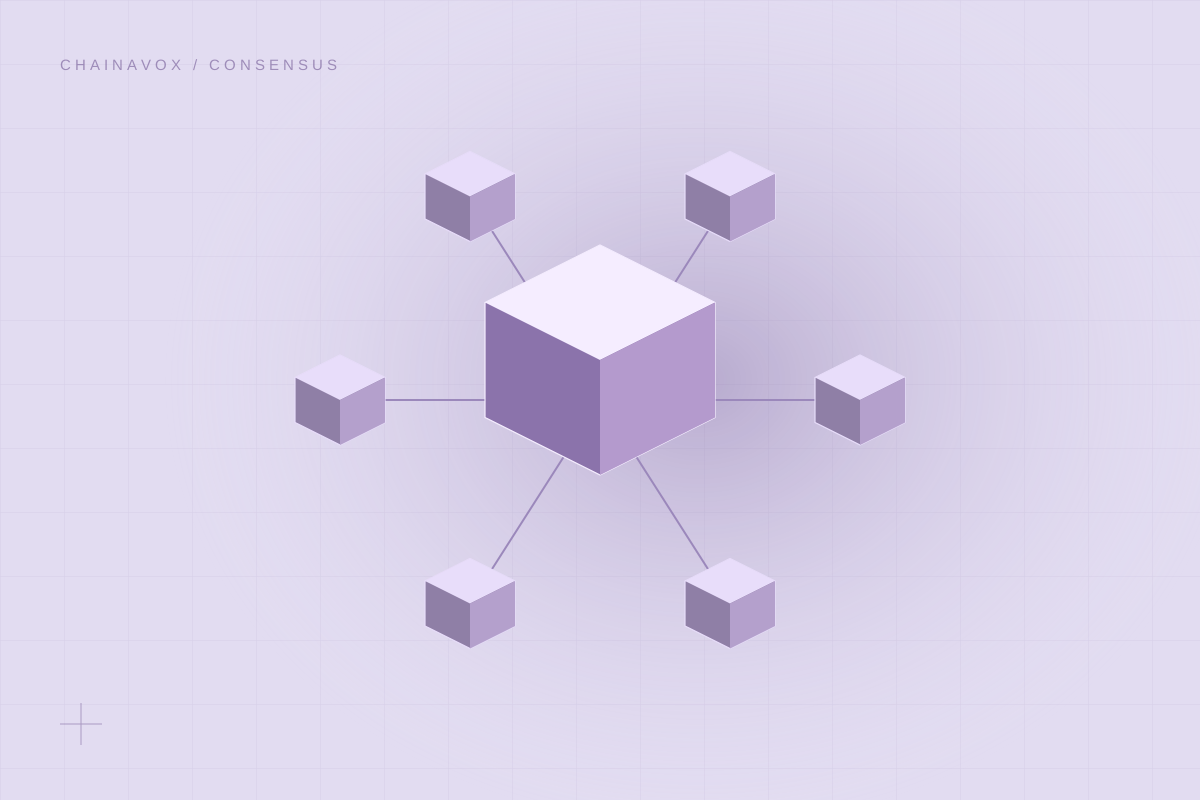
A blockchain needs a way to decide which additions belong in its shared history. Ethereum's consensus mechanism uses proof of stake: validators commit value and take part in checking and proposing blocks. [1]
Agreement needs more than one label
A complete consensus mechanism includes rules for proposing blocks, validating them and choosing between competing views of the chain. Proof of stake describes an important part of that system, but not every rule involved. [1]
For an explanatory article, this is a useful correction to the slogan “the coins vote.” The protocol assigns specific duties and applies specific rules; it is not a general opinion poll.
Why penalties exist
Ethereum's design includes incentives for performing validator duties and penalties when duties are missed. Certain contradictory or dishonest actions can lead to slashing, which is distinct from an ordinary penalty for being offline. [2]
The purpose is to make particular forms of disruption costly. The existence of a penalty system should not be confused with a claim that disruption, software failure or operational mistakes are impossible.
Separate network design from a product pitch
A description of Ethereum's consensus does not evaluate a particular service that advertises staking. A service introduces its own arrangements and dependencies. A headline about the protocol should not silently become a recommendation about a product.
Nor does the technical term turn a projected return into a guarantee. This article explains a network mechanism, not a strategy for earning income.
The central idea is accountability within shared rules. Validators are not merely keeping a copy of data; they perform defined roles in establishing the network's accepted state. Understanding those roles makes the discussions of rewards, penalties and finality much easier to follow.
Sources & further reading
Start with the original material. These sources support the explanations above.
Sources checked Oct 1, 2026.Prepared with AI assistance using the linked public sources. This article provides background information, not first-hand reporting. Report a correction.